Jun
17
2025
Key Aspects of a Certified Translation
Key Aspects of a Certified Translation A certified translation is a translation of documents which includes an officially signed, stamped, and dated statement of truth from a professional translator or a representative of a registered translation agency. A certified translation is typically required for official or legal purposes, such as visa applications, legal proceedings, or […]
...CONTINUE READING
Jun
12
2025
Translation Errors That Undermine Your Work…And How to Fix Them
8 Translation Errors That Ruin Your Content…And How to Fix Them A single word can make or break your message, especially when translated. We’ve all seen those “lost in translation” moments—from awkward product names to campaigns that just don’t land. In the real world, mistranslations aren’t funny. They can damage trust, confuse customers, or even […]
...CONTINUE READING
Jun
03
2025
Important Factors for Choosing the Right Content Translation Partner
Important Factors for Choosing the Right Multilingual Content Partner When finding a translation and localisation partner, everything looks broadly the same on paper. They all promise fast turnaround times and (naturally) a “unique approach” to your brand. However, the truth is that no two content partners are alike. It’s easy to think, “This one’s the […]
...CONTINUE READING
May
01
2025
Cultural Awareness – The Key to Successful Global Translations
Why Cultural Awareness Is the Key to Successful Global Translations There’s a well-known game of ‘telephone’, where one person whispers a message, and by the time it reaches the last person, it’s usually hilariously off-track. Now, consider that happening in business. Instead of a silly misunderstanding, it’s a deal gone wrong or a marketing campaign […]
...CONTINUE READING
Apr
17
2025
How Project Managers Ensure Successful Translations
The Importance of Project Managers in the Translation Process The demand for professional project managers is rising every year. Statistics show companies worldwide plan to hire nearly 88 million people in project management by 2027. That’s because project managers are professionally equipped to handle significant tasks. From planning to execution, their management skills can help […]
...CONTINUE READING
Mar
29
2025
The Role of Localisation and Translation in Global Markets
The Importance of localisation and translation services in today’s markets In recent years, translation services (both human and Machine/AI-based) have become an integral and essential part of various business sectors, including marketing, medicine, technology, and law. Today, many of the world’s leading brands and organisations work with translation providers and agencies to successfully reach their […]
...CONTINUE READING
Mar
13
2025
A Guide To Translating User-Generated Content
Breaking Language Barriers with User-Generated Content Translation Are you trying to catch an international audience’s attention, but you’re unsure how to bridge the language gap between your brand and the new market? Through the power of professional UGC (user-generated content) translation services, you can share the wealth of content your users create in various languages. […]
...CONTINUE READING
Feb
21
2025
Technical Translations – Tips for Better Results
Optimising Your Technical Translations: Expert’s Tips for Better Results When it comes to business, language translations can make or break your success in international markets. Even a minor error can turn into a massive disaster… Take, for example, Parker, a well-known company that expanded to Mexico. Its slogan ended up suggesting something entirely unintended: “It […]
...CONTINUE READING
Jan
24
2025
Navigating Certified Translations – Professional Translators or Multilingual Employees
Translation Services: Should you hire Professional Translators or Leverage Your Multilingual Employees? International trade has expanded significantly in recent years, with current export levels more than 40 times larger than in the last century. That is simply one of many data points that emphasise the level of globalisation and international business in today’s economy. With […]
...CONTINUE READING
Jan
16
2025
Translation Memory vs Glossary: Understanding the Key Differences
Translation Memory vs Glossary: Understanding the Key Differences On the surface, translation might seem as simple as swapping words from one language to another, but there’s a complex structure to it. Professional translators, especially when working directly with an accredited translation agency, often work on large projects where they’ve already translated down specific terms numerous […]
...CONTINUE READING
Dec
20
2024
Factors to Consider When Choosing a Translation Company
5 Factors to Consider When Selecting a Translation Agency Do you deal with international customers, partners and markets? If so, working closely with a professional translations provider can help you in creating a strong brand image globally. Whether you run an SME or a large, enterprise-sized business, you must have a strong bond with your […]
...CONTINUE READING
Nov
08
2024
The Role of Professional Interpreters in Business
The Importance of Professional Translators & Interpreters in Business Meetings Global companies and businesses with teams across different regions who speak various languages often require professional translation and interpreting services. Just as in-person interpreters facilitate communication, remote interpreters ensure messages are accurately conveyed from one language to another in virtual settings. In today’s hybrid work […]
...CONTINUE READING
Oct
18
2024
Can Translation Services Help Your International Marketing?
Here’s How Translation Services Can Improve Your International Marketing Businesses today have unprecedented opportunities to reach global audiences. However, this global reach comes with its own set of challenges. As a business, it’s not just important, but crucial, to understand what makes other cultures tick – their norms, languages, and values. Otherwise, your well-intentioned marketing […]
...CONTINUE READING
Sep
06
2024
Translating Business Content for Social Media
How to Master Translations For Social Media If you plan to enter a new market and reach global customers using social media platforms, you should first become accustomed to your audience’s native language, culture and habits. Talking to people in their language is much more than basic courtesy. It shows you understand their values and […]
...CONTINUE READING
Aug
21
2024
A Complete Guide to Certified Translations
The Complete & Ultimate Guide to Certified Translations You might have heard the terms “certified translation” or “official translation” in various contexts, for example, when applying for immigration, handling visa applications, going through legal proceedings, or dealing with other official documents. It is crucial to understand the different types of certified document translations, what they […]
...CONTINUE READING
Aug
16
2024
The benefits of App & Software Translations
The benefits of App & Software Translations When the iOS App Store launched in 2008, it had only 500 apps. Since then, millions of apps have been added to iOS and Android app stores. In fact, 52,000 apps were added to the Google Play Store in just one month in early 2024. However, only a […]
...CONTINUE READING
Aug
05
2024
Context in Translation & Interpreting Services Is Vital – Here’s Why
Why is Context Vital in Professional Translation Services? Communicating meanings across languages is more than a literal translation of words. A professional translation agency or an experienced linguist can pick the subtleties of both languages (the original and the translation language) and provide a clear, understandable document that is linguistically and culturally suitable for the […]
...CONTINUE READING
Aug
01
2024
Translation Style Guides: Why Do They Matter?
What Are Translation Style Guides & Why Are They Important What do you call a “cookie” in English? Biscuit? Saltine? Cracker? Or something else? Everyone has a different translation for common words and phrases, which can create confusion, especially when translating for business or commercial purposes. A translation style guide eliminates this problem by setting […]
...CONTINUE READING
Jul
26
2024
Boost Your Company’s Global Growth with Translation Services
How to Boost Your Company’s Growth with Translation Services? Despite the hope for a quick recovery following COVID-19, many international markets are feeling the heat from social and political turmoil. This turbulence is compelling business leaders to rethink their plans for global expansion. Besides, rising inflation and a tight labour market have intensified operational pressures […]
...CONTINUE READING
Jun
06
2024
The Critical Role of Localisation and Translations in Effective Internal Training
Localisation and Translation Services in Internal Business Training Do you run a company with an international mix of employees? If you are a global venture with offices in different parts of the world, chances are that you have a multicultural workforce to handle. While this is great for the future of globalisation, corporations that deal […]
...CONTINUE READING
May
13
2024
How to Find the Best Translation Agency for Your Business?
Find the Best Translation Agency for Your Business Finding a professional and experienced translation agency that can accurately translate and localise your particular materials and documents into the required languages can be essential for your company’s success on the international scene. In a highly globalised and competitive marketplace, businesses must thoroughly plan their expansion to […]
...CONTINUE READING
Apr
25
2024
10 Reasons to Translate Your Website
Approaching Global Markets: 10 Reasons to Translate Your Website Embarking on your digital adventure means more than just having a website; it’s about connecting with your audience in a way that is close to their hearts. Imagine you’re throwing a global party—your website is the invitation. But what if your guests speak a whole bunch […]
...CONTINUE READING
Apr
19
2024
5 Things To Consider When Choosing Your Translation Provider
What to Look For in a Translation & Interpretation Agency? The number of UK-based businesses and organisations dealing with international consumers, markets and business partners sees significant growth practically every year. As a result, working with professional translation agencies which specialise in translation and interpreting services for the business sector is today one of the […]
...CONTINUE READING
Mar
15
2024
Strategic Advantages of Professional Translation Services
The Strategic Advantage of Professional Translation Services At a time when business boundaries have become unlimited and are stretching beyond set geographical borders, tapping into international markets is a massive achievement for any brand or business. It’s this global presence that takes your products and services to audiences across the globe. But then, at the […]
...CONTINUE READING
Feb
29
2024
Why Ignoring Translations Can Hurt Your Business
Can Neglecting Translation Services Hurt Your Business? Imagine browsing through your social media feed when an advert grabs your attention. It showcases an eye-catching pair of sports trainers that you immediately want. Excited, you click through to the company’s website to consider adding these trainers to your collection. Disappointment hits when the website loads in […]
...CONTINUE READING
Feb
20
2024
Why Do World’s Biggest Brands Work with Translation Agencies?
Why Do the World’s Leading Brands Work with Translation Agencies? Did you know that some of the biggest brands and organisations in the world work with professional translation agencies? And there’s a very good reason for that. Companies which operate globally or within multicultural markets understand the value of clear and accurate communication. By working […]
...CONTINUE READING
Feb
16
2024
How Translation Services Adapt to Linguistic Changes
How Do Translation Services Adapt to Changes in Language? Languages are anything but boring. They constantly evolve, adding new words to the dictionary every year. A few years back, words like ‘bling’ and ‘caffeinating’ didn’t exist in English. But now we use such terms every day. Similarly, in 2023, terms such as ‘Doggo’, ‘Chef’s Kiss’, […]
...CONTINUE READING
Feb
06
2024
What is a Certified Translation?
What is a Certified Translation? The meaning behind ‘Certified Translation‘ can be somewhat confusing for many people, especially if you have not previously worked with professional translators. In this article, TS24’s experts will dive into the different types of certified translations, explain when you may need to obtain it and showcase some examples of translated […]
...CONTINUE READING
Jan
24
2024
Breaking Language Barriers: The Significance of Translations in the Beauty Industry
Breaking Language Barriers: The Significance of Translations in the Beauty Industry Beauty and cosmetic trends vary across the globe. For instance, Asian consumers prefer red lipstick and a porcelain complexion. At the same time, those in the West opt for a bronzed sun-kissed glow. But even with these cultural differences, one thing remains the same: […]
...CONTINUE READING
Jan
19
2024
Translation Services in the Tourism Sector
The crucial role of effective translations in the tourism sector Do you run a transportation company or a hospitality business and are excited to welcome tourists from around the world? If yes, working with an expert translation services agency to ensure your content is accurately translated, relevant and carefully localised to the preferences of your […]
...CONTINUE READING
Jan
17
2024
Mastering Technical Translations: Tips for Improved Accuracy
What aspects really matter when it comes to technical translation services? Translation errors aren’t something unheard of. You might think the world’s leading companies and organisations with huge budgets and teams of experts would not have problems releasing quality translations, but they do. Whether it’s a missing preposition error made by the airport authorities in […]
...CONTINUE READING
Jan
03
2024
The Real Value of Professional Translations in the Medical Sector
Why certified medical translations are so important In a globalised world, professional translation services play an incredibly important role. Today, practically all businesses, both private and public sectors, strongly rely on language translations and interpretations to prosper across borders. One such industry is healthcare & medicine. In the United Kingdom, the medical industry has enormous […]
...CONTINUE READING
Dec
29
2023
How to choose the best translation agency in 2024 – Our Guide
Choosing the best translation agency for your needs in 2024 Choosing the best translation agency in 2024 can be challenging for many global businesses and companies, especially if they have no previous experience working with translation providers. In the era of globalisation, however, it can be a key decision which can directly influence your brand […]
...CONTINUE READING
Dec
22
2023
Christmas Countdown: Why Translating Your Website is Essential for Optimal Impact
Why Translating & Localising Your Website is Essential for Optimal Impact Are you ready for Christmas and can’t wait for your business to see its maximum sales this season? Let us tell you that you are not alone. Many ventures worldwide take advantage of the festive season to increase their revenues. In fact, as per […]
...CONTINUE READING
Dec
04
2023
What does ‘certified document translation’ actually mean?
What is a certified translation? Officially certified translation services play an extremely important role in today’s globalised world. People often require a translation of their documents into another language not only in a business environment, but also in their personal lives. Whether it’s applying for a visa, a new job, or a University, and your […]
...CONTINUE READINGDec
02
2023
Daily Challenges Faced By Translators
Challenges faced by professional translators Working as a professional translator in today’s globalised and fast-paced world can be truly challenging. Businesses and organisations often require language translation services during their international expansion to reach global consumers. Professional translators are usually at the forefront of ensuring that the content is not only accurately translated but also […]
...CONTINUE READING
Dec
01
2023
The Crucial Elements of Translating Your Marketing Campaign
The Importance of Marketing Translations Today, professional marketing translation services are perhaps more important than ever. With the growth of the internet and other general technological advances, businesses today are able to trade with clients and partners based overseas much more freely than just 10 or 15 years ago. Nowadays, the world is a truly […]
...CONTINUE READING
Nov
16
2023
Mastering Website Translation: A Step-by-Step Guide
A Step-by-Step Guide to Mastering Website Translation Translating the content of a website into another language isn’t a straightforward process. It involves not only the linguistic aspects of a professional translation, but also the socio-cultural factors of the intended audience, which might directly affect how the translated content is perceived within the target market. In […]
...CONTINUE READING
Oct
26
2023
6 Tips for Boosting Your Global Marketing Strategy with Translations
Boost Your Global Presence With Marketing Translations Do you want to build your company’s or brand’s strong online presence but need help figuring out how to? According to statistics, around 70% of small and medium-sized businesses understand the benefits of a solid digital presence. This is why they take their digital marketing strategy very seriously, […]
...CONTINUE READING
Oct
20
2023
Differences between translators and interpreters
Translators v. Interpreters – What’s the Difference? Translation and interpreting are rarely performed by the same person. As translation services focus on conveying written text and documents, interpreting covers the spoken word. Consequently, the main difference is in how the service is delivered and what it covers. The contrast in skills required is so considerable […]
...CONTINUE READING
Oct
18
2023
7 Tips for Website Translation & Localisation
The Best Tips for Website Translation & Localisation We live in an increasingly connected world where everything is just a click away. Thanks to excessive internet use and over 5.47 billion active users, e-commerce businesses have never been as successful as they are today. But what makes these online ventures closer to their audience now […]
...CONTINUE READING
Sep
28
2023
A Guide To Translating User-Generated Content
Best Practices for Translating User-Generated Content for an International Audience Do you want to gain the attention of an international audience but need a strategy to do so? Don’t lose hope, as we share the most efficient solution. With the help of an established translation agency, you can translate user-generated content in various languages to attract […]
...CONTINUE READING
Sep
22
2023
5 Things to Consider When Choosing The Best Translation Agency
How to Choose the Best Translation Company Deciding to acquire the services of a professional translation agency is perhaps one of the best decisions an organisation can make during their internationalisation process. In order to communicate efficiently with business partners and potential clients, companies must incorporate language services within their internationalisation plans. Think about it: […]
...CONTINUE READING
Sep
01
2023
Translation vs. Localisation – What’s the difference?
What Sets Translation Apart from Localisation? Global business expansion is at its peak right now, bridging the gap between communities and countries. Language is a significant challenge, creating a barrier to effective communication and comprehension. Most businesses deal with language barriers through translation. However, translation sometimes falls short, requiring localisation efforts for better accessibility and […]
...CONTINUE READING
Aug
29
2023
6 Aspects to consider when translating legal documents
What To Remember When Translating Legal Documents The understanding of professional translation services among the general public is extremely varied. From believing that translation is nothing more than simply replacing words with words in another language to deeming the procedure extremely complicated and perhaps even daunting. Today, however, translation agencies, such as ours, have streamlined […]
...CONTINUE READING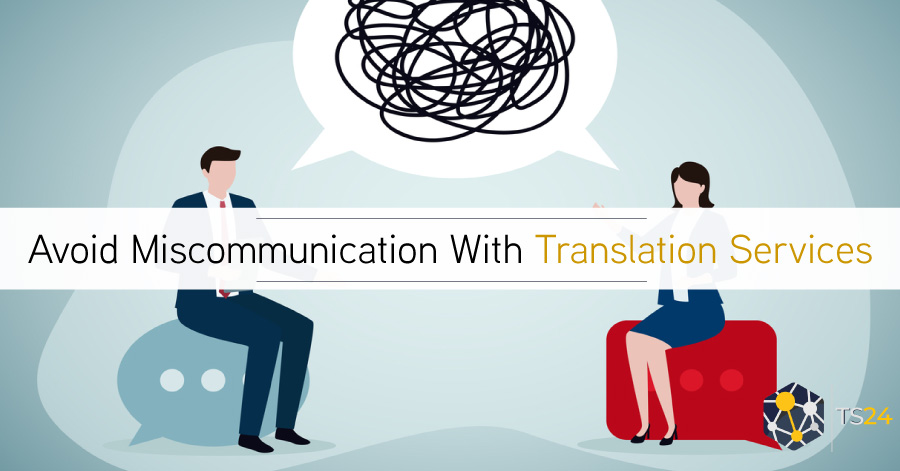
Aug
10
2023
How Translation Services Help Companies Avoid Miscommunication
How Translation Services Help Companies Avoid Miscommunication In “The Cost of Poor Communications”, David Grossman discussed a survey of 400 large companies with 100,000 employees. The results of this survey found that each company lost $62.4 million on average every year due to poor communication. Likewise, Debra Hamilton also explained in one of her articles […]
...CONTINUE READING
Aug
04
2023
5 Steps To Find Translation Services for Your Business
Finding Translation Services For Your Business in 5 steps The market size for the US translation service industry has grown from $6.28 billion in 2012 to $9.09 billion in 2022. On a global scale, the sector doubled in size in the past decade. With the rise in the number of translation services, choosing the best […]
...CONTINUE READING
Aug
01
2023
How to Find Best Translation Agency in 2023
How To Find the Best Translation Agency Professional translation is a truly fast-developing industry. From improvements in technology and software, the rise of Artificial Intelligence, globalisation, and growth in demand for streamlined & video translations – translation agencies (LSPs) in 2023 must not only stay up to date with all developments within their sector but […]
...CONTINUE READING
Jul
25
2023
How important is the market’s culture when translating business content?
Can Cultural Factors Affect Your Translation? When it comes to languages, a vast majority of the public doesn’t (unfortunately) spend their time questioning and contemplating factors which affect the accuracy and reliability of professional translation services. Nonetheless, and this is perhaps especially true within the corporate or business environment, it is highly likely that at […]
...CONTINUE READING
Jul
24
2023
Are Machines Stealing Your Job: How AI Is Impacting The Translation Industry?
Impact of AI on Translation Services Should language translators be concerned about their future careers? With the increase in automated machine translation tools and the rapid advancements in artificial intelligence, language translation agencies offering certified translation services look set to replace linguists with technology. But that may not necessarily be the case. Whereas machine learning […]
...CONTINUE READING
Jun
08
2023
How to Become A Translator – A Practical Guide to Starting Your Career
How to Become A Professional Translator: A Guide to Starting Your Career No matter how many translation tools enter the AI market, there will almost always be a demand for human translators. Why? Professional translators working with agencies or as freelancers bring nuance and a human-like feel to the translated content. They are also more […]
...CONTINUE READING
Apr
11
2023
6 Tips to Expand Your Business Internationally
Expanding into new markets through globalisation offers companies the opportunity to diversify their operations and sell products and services globally. However, there are numerous local and global factors to consider, including go-to-market strategy, strong partnerships, local hiring, and understanding of customer needs. One of the biggest challenges businesses face is overcoming the language barrier for […]
...CONTINUE READING
Mar
28
2023
Website Translation and Localisation in 5 steps
5 essential steps of translating & localising your website Achieving success when translating and localising your website is crucial for expanding your business, product, or service to multiple regions. Localisation involves more than just using Google Translate for your website. It involves adapting your website to your target region’s local language and cultural norms. 5 […]
...CONTINUE READING
Mar
23
2023
A Fresh Look at Marketing Translation Services
Let’s take a fresh look at marketing translation services Marketing campaigns and materials are key assets in approaching new markets and international audience. Whether intended to provide a business overview or generate sales, you must ensure they work as effectively for a new audience as they do in the existing market. A reliable marketing translation […]
...CONTINUE READING
Mar
02
2023
How Can Translation Services Help Your Business
How Can Translation Services Help Your Business Grow Internationally Expanding into new, foreign markets offers companies the opportunity to diversify their operations and sell products and services globally. However, there are numerous local and global factors to consider, including go-to-market strategy, creating strong partnerships, local hiring, and understanding of international customer needs. One of the […]
...CONTINUE READING
Feb
24
2023
Common Translation Mistakes (And How to Steer Clear of Them)
Common Translation Mistakes & How to Avoid Them Expanding your business into the international market is no walk in the park. It’s essential to carefully consider your audience, competitors and product pricing strategies before going ahead. Plus, sharing information with a global audience sparks a need for translation. Of course, you’d have to translate everything […]
...CONTINUE READING
Feb
17
2023
Localisation & Translation Services for the Financial Industry
The Importance of Certified Translation Services for the Financial Industry Globalisation is becoming increasingly prevalent thanks to growing technological advancements, leading businesses in expanding their assets across borders. Businesses dealing with global transactions in the financial industry are taking the key steps to get this right. They are faced with many challenges and must consider […]
...CONTINUE READING
Feb
15
2023
5 Key Steps of Web Localisation
What are the key elements of website localisation? Achieving success when localising your website is crucial for expanding your business, product, or service to multiple regions. Localisation involves more than just using Google Translate for your website. It involves adapting your website to your target region’s local language and cultural norms. The good news is […]
...CONTINUE READING
Feb
14
2023
Valentine’s Special: Why I LOVE being a translator
Why I LOVE working as a professional translator Valentines are generally associated with the ones we love. The sale numbers of flowers and heart-shaped chocolates go through the roof today. But as I sat down to translate yet another document this morning, perhaps somewhat affected by the sentiment of valentines, I thought to myself, “Wow, […]
...CONTINUE READING
Feb
07
2023
A Guide To Interpreting Services
Your Guide to Interpretation Services Your global clientele expects you to hold meetings in a language they can easily understand. However, delivering your message reliably to an international audience is often only possible with the use of an interpreting service. It’s a service that converts real-time speech into the listener or reader’s preferred language. It’s […]
...CONTINUE READING
Jan
31
2023
The Importance of Working with a Professional Translation Agency
Can working with translation agencies be key for your business? Working directly with professional translation and interpretation agencies has been the go-to standard for international business for a long time. Today, some of the world’s leading global brands and companies partner with translation agencies to professionally convert their documents and content and ensure not only […]
...CONTINUE READING
Jan
11
2023
What Type of Translation Services Does Your Business Need?
What Type of Translation Services Do You Need For Your Business? In the internet/digital era, a robust online presence is essential if you want to expand your business and improve its ROI (Return on Investment). To transcend language barriers and appeal to the masses, it is crucial to integrate professional translation services into the marketing, […]
...CONTINUE READING
Jan
05
2023
Certified & Notarised Translation – What’s The Difference?
Notarised & Certified Translation – Which One Do You Need? You can go for a document translation to tailor your business to client needs and convey information in the most accurate way possible. However, more than a translation is required in some cases. That’s partly because, for legal documents, you must prove that the service […]
...CONTINUE READING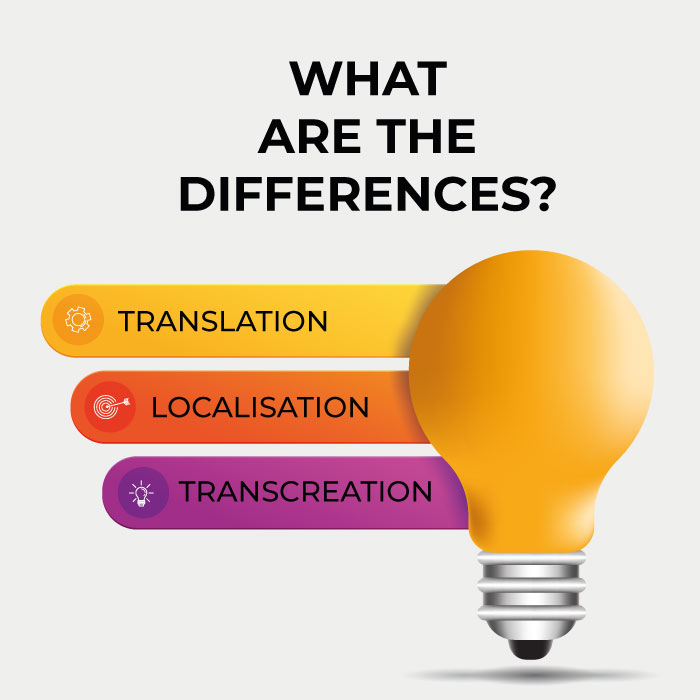
Dec
22
2022
Translation vs. Transcreation: What are the key differences?
Translation and Transcreation – What’s the difference between them? Businesses should consider targeting an international audience. Not only does it help boost brand awareness, but it enables businesses to grow website traffic and reach a specific sales target. As enticing as it may sound, doing business worldwide is a tough row to hoe. More than […]
...CONTINUE READING
Dec
08
2022
How Creative Are Professional Translators?
Do professional translators need to have a creative flair ? Generally speaking, providing specialist translation services isn’t usually associated with the creative sector. For many, an image of a linguist sitting at their desk with dictionaries open and translating material word-for-word is somewhat given. In a globalising world where companies approach different markets based on […]
...CONTINUE READING
Dec
07
2022
6 most translated languages in 2022
Languages translated most frequently in 2022 The UK has faced an extremely turbulent year, with the implications of Brexit still being felt across most corporate industries, as well as difficulties encountered by companies in the import/export sector due to the Covid-19 pandemic. The political and economic situation in the UK is far from ideal, and […]
...CONTINUE READING
Nov
25
2022
Can Marketing Translations Help Your Business Grow In A Global Market?
Can Marketing Translations Help Your Business Grow In A Global Market? Did you know that around 137,000 new businesses open every day globally? That means people are moving towards owning a business rather than solely depending on jobs. But, starting a business and making yourself heard by international clients needs a marketing translation service because […]
...CONTINUE READING
Nov
25
2022
Machine Translation vs Human Translation: Which Is Better?
Machine vs Human Translation: Which Is Better & Why? As the world keeps turning into a global village, there is a more-than-ever need to interact in more than one language. Of course, that means learning more languages, but that’s not always a feasible option for everyone. So, most people turn to tech tools like Google […]
...CONTINUE READING
Nov
23
2022
Medical Translations: Why Accuracy Is So Important
The importance of accuracy in translations Medical translations are more critical than one may think because one mistranslation can risk a person’s life. One example is the tragic case of Mayra Cabrera, who passed away due to the wrong post-childbirth dosage. The importance of a medical translation service is underestimated because of negligence. Companies, especially […]
...CONTINUE READING
Nov
15
2022
Minoritised Languages in Translation
Share Tweet Translating Minoritised Languages Scots: A Case Study Any act of translation service from any one language into another is a complex and nuanced process. Each decision of the translator is informed by a range of considerations – from audience and purpose to wider cultural concerns. When translating into minoritised languages, […]
...CONTINUE READING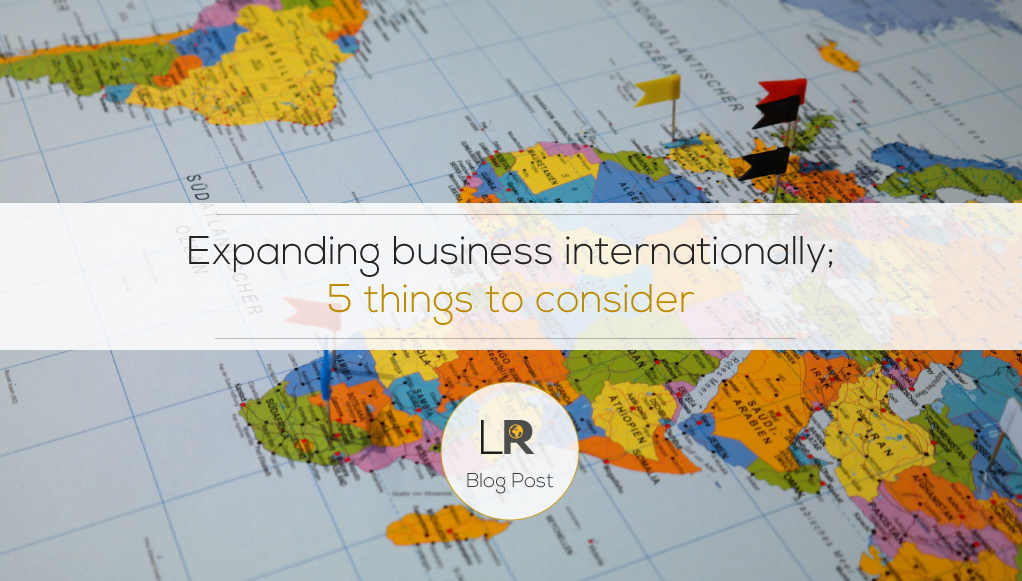
Nov
14
2022
5 Factors To Consider When Expanding Business Internationally
5 Essential Factors To Consider When Expanding Your Business Internationally There are many reasons for businesses to want to expand internationally with their brand and operate activities abroad, whether it is importing, exporting, investing or even outsourcing their services. Strictly from a business point of view, it can indeed be an extremely beneficial action to […]
...CONTINUE READING
Nov
04
2022
Tips for Professionally Translating Your Financial Documents
Things to remember when converting financial documents into another language Your business’s financial documents are vital for stakeholders, especially business partners and investors. Unfortunately, translating these documents can be complex, especially when dealing with stakeholders abroad. That’s why you should seek to get help from a trusted financial translation service to get it done. Otherwise, […]
...CONTINUE READING
Oct
24
2022
A Guide To Translating Your Website
Everything you need to know about translating and localising your website Localising a website is a smart strategy to increase the traffic from international users. Consumers feel valued when a website translates every piece of information into their native languages. So as a business, which language should you localise your website into? There are around […]
...CONTINUE READING
Oct
13
2022
How Translation Services Help Businesses Avoid Miscommunication
How Translation Services Help Businesses Avoid Miscommunication Expanding your online business on an international level is quite an achievement. Your brand is exposed to global clients, and people worldwide are interested in your products or services. However, there is one challenge every business owner faces: diversity in communication. When working internationally, you should have the […]
...CONTINUE READING
Oct
06
2022
Translation vs Localisation: What is the Difference?
The key differences between localisation and translation services Businesses looking to expand usually consider both translation and localisation. Yet, most companies confuse these two terms with one another. Understanding the significant differences between translation and localisation can benefit your business in countless ways. Apart from extending your brand’s reach, you can also include diversity in […]
...CONTINUE READING
Sep
21
2022
A Guide to the 3 Types of Translation
Our Guide To The Different Types of Translation Services Many people assume that translation is a straightforward process. You take the words of one language and translate them into another to make them more comprehensible. In reality, translating entails anything that goes into communicating a written or spoken message from one language to another – […]
...CONTINUE READING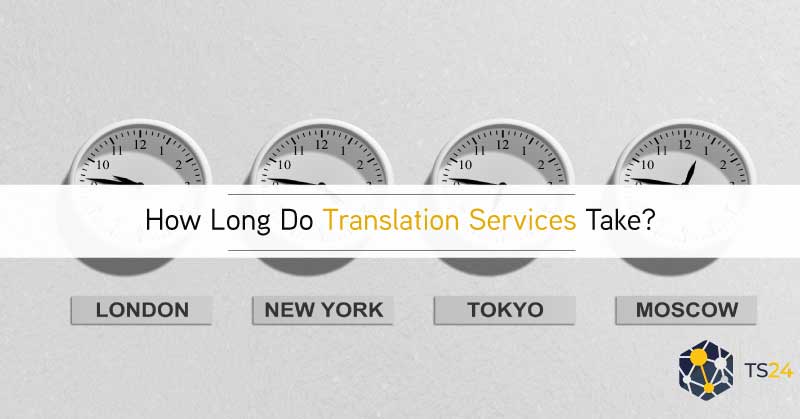
Sep
15
2022
How Long Does a Translation Typically Take?
How Long Do Translation Services Take? There’s nothing more intimidating than a deadline, and anyone who has worked on tight deadlines knows it well. “How long does it take” is one of the most common questions in service deliveries. Netizens often make rough estimates about the average turnaround time of translation projects. Most of them […]
...CONTINUE READING
Aug
31
2022
Looking For A New Translation Agency? 6 Key Factors To Consider
6 key factors you should consider when looking for a translation agency in 2022 Globalisation and the fast developments in technology had a direct impact on how organisations conduct their business. Today, even a locally based London SMEs are able to approach international clients and business partners with much more ease than just a decade […]
...CONTINUE READING
Aug
30
2022
5 Most Translated African Languages
What are the 5 most translated languages of Africa? Africa is home to diverse cultures, nationalities, and religions. The region has a mix of urban and rural populations. Its economy thrives because of the immense opportunities to the global population, mainly because of such diversity. Nearly 2000 native languages are spoken in Africa alone, roughly […]
...CONTINUE READING
Aug
24
2022
Can Translations Still Help Your Business After Brexit?
How Can Your Company Expand to Europe? Europe has been a top destination for growing businesses for a long time. But following the withdrawal of the United Kingdom from the European Union, i.e. Brexit, companies are becoming increasingly skeptical. There is no doubt that Brexit has impacted businesses a lot, particularly UK businesses. This impact’s […]
...CONTINUE READING
Aug
12
2022
5 Reasons Why Your Business Should Partner with a Translation Agency
How Translation Agencies Can Benefit Your Business Budgeting, marketing plans, sales strategies, and unwavering determination are essential to getting your business started. But once your business takes off, there’s another ingredient you need to add to this concoction of entrepreneurial prosperity: translation services. Globalisation has enabled even the smallest businesses to test international waters and […]
...CONTINUE READING
Aug
09
2022
How are Translation Service Providers Affected by Covid-19?
How are Language Translation Service Agencies Affected by Covid-19? COVID-19 has undoubtedly led to significant implications in many industries. The world of work has transformed, with remote work becoming the new normal. The COVID-19 pandemic made the in-person interaction as limited as possible. As a result, most businesses have adapted to providing online services, from […]
...CONTINUE READING
Jul
05
2022
5 Reasons Why Computers Can’t Replace Human Translators
Computers Can’t Replace Human Translators – Here’s Why Language translation can be a delicate process in a world where technology speeds things up. Even though there are various computer programs, mostly machine translators, working within the translation industry, human translators still have the upper hand. Companies with shoestring budgets may look for shortcuts for getting […]
...CONTINUE READING

May
11
2022
5 Things You Should Do to Win the Consumer Market in the UAE
The United Arab Emirates (UAE) is one of the global financial hubs attracting companies and potential business giants worldwide. The region has the potential to provide immense support to businesses, especially in the engineering and technology sector. If you are a company that plans to expand in the UAE, there is a good chance of […]
...CONTINUE READING
Apr
22
2022
Importance of Translation Services in the Wake of a Technological Revolution in Africa
Africa has been one of the most challenged continents with economic instability and human necessities over the past decades. This was the primary cause of underdevelopment in the area. However, with technological advancements, most parts of Africa have experienced modernization that helped bloom the economy. Technological advancements are vital for a nation’s success in today’s […]
...CONTINUE READING
Apr
14
2022
Expanding Business to Europe: 5 Key Cultural Aspects
5 Important Cultural Aspects to Bear in Mind When Expanding to Europe Expanding into a new market requires thorough and functioning knowledge of the target market’s economic and political landscapes. However, a third equally important factor to consider is your target country’s culture. Europe is a continent brimming with rich, deep, and diverse cultures. Each […]
...CONTINUE READING
Apr
07
2022
5 key factors to consider when choosing the best translation agency
5 important aspects you need to carefully consider when choosing a translation services provider for your business. Choosing a professional translation agency you’ll be able to trust fully with converting your corporate documents and materials into another language is almost like choosing a tailor. Often, it’s a life-long relationship. With time, the translation agency […]
...CONTINUE READING
Mar
15
2022
The Dark Side Of Working As A Translator
5 things I wish someone told me before I started working as a translator… When I was just starting my career as a professional translator 5 or 6 years ago, I was filled with hope, enthusiasm and optimism. I thought to myself – here I am, about to do what I love and get paid […]
...CONTINUE READING
Mar
04
2022
Can professional translation services help your business to expand into international markets?
When running a small and medium-sized business, also known as an SME, the opportunities for growth and expansion are almost limitless, especially in the times of technological growth and rapid globalisation. A carefully planned approach to development can bring some astonishing results in the long term. In fact, due to technological advances such as fast […]
...CONTINUE READING
Feb
22
2022
Importance of Professional Translations for The African Market
5 Reasons Why Africa WILL Be a Key Global Market in The Next Decade The turn of the millennium has proven why downgrading Africa’s role in the global economy is both foolish and short-sighted. Believe it or not, the tide is turning in favour of this underestimated economy. In 2018, six out of the ten […]
...CONTINUE READING
Nov
03
2021
What is Localisation…
…and why it is important for your business Although, due to Brexit as well as the coronavirus pandemic, last 18 months or so was an extremely challenging time for majority of organisations and businesses in the UK, with the economy now slowly stabilizing, more and more business owners are re-considering approaching new, foreign markets and […]
...CONTINUE READING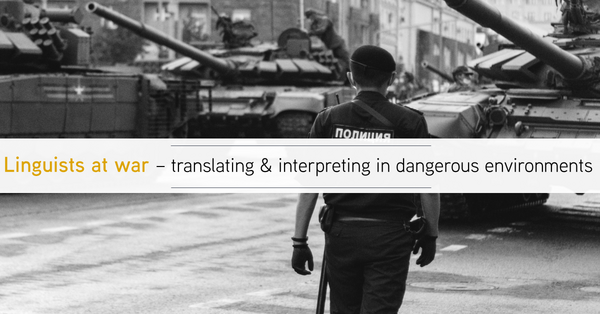
Sep
10
2021
Linguists at war
Linguists at war – translating & interpreting in dangerous environments Often, when thinking about the work of a translator or an interpreter, people imagine a warm, cosy home-office with a hot cup of tea on the desk or a business meeting in a air-conditioned conference room. Let’s be honest, most of the time, that’s exactly […]
...CONTINUE READING
Aug
06
2021
The Smeddum o Scots
You can follow Ashley on her on Twitter or by visiting her website here. Enjoy! The Smeddum o Scots Scots is the Germanic leid spak in Scotland. It is closely relatit tae English – baith developed fae the ae Anglo-Saxon ancestor leid – as weel as tae ither West Germanic leids, sic as German […]
...CONTINUE READING
Jul
29
2021
Taking Your Business To Africa; Here’s Everything You Need To Know
Despite being the second largest continent in the world, Africa isn’t the first place that comes to mind when companies intend to expand their businesses. However, the region is worth exploring since it’s a hotbed for opportunities, especially for the tech sector. The World Bank reported the economic growth in Sub-Saharan Africa to have risen […]
...CONTINUE READING
Jul
01
2021
5 Things To Consider When Expanding Internationally
5 Things To Consider When Expanding Your Business Internationally Expanding your business into an overseas market is a difficult challenge, which requires a very precise and detailed plan, followed by a perfect execution, irrespective of how successful your organisation is on the home turf. Agencies specialising in providing professional translation services have a huge part […]
...CONTINUE READING
Jan
14
2021
2021: Key Trends in Translation Industry
6 Key Trends for the Translation Industry in 2021 The unpredictability of 2020 has directly affected several businesses, companies, and entire corporate sectors in the United Kingdom. Both Brexit as well as the world-wide pandemic truly impacted the way businesses operate and, in many cases, affected their revenues. Last January, the early forecasts for the […]
...CONTINUE READING
Dec
11
2020
5 Gifts Every Translator Would Love This Christmas
Working as a translator is a truly wonderful career…difficult, stressful and complicated – yes, but wonderful (at least that’s the official version, if anybody asks.) Nonetheless, as the Christmas period is now just around the corner, most translators look forward to spending at least a few good days away from their workstations and with a […]
...CONTINUE READING
May
14
2020
Can translation services really help your business grow?
Can professional translation services really help your business grow? Over the last decade or so, we were fortunate enough to have witnessed some genuinely exciting developments in technology. These changes affected not only our day to day and personal lives, but also strongly influenced the way organizations and companies conduct business. Today, thanks to technology, […]
...CONTINUE READING